

Culture Doesn’t Care About Your Campaign
A newsletter for the brand managers and culture pros who want the cultural intelligence to see what others are missing.

I’ve seen this play out so many times, I already know how the story ends.
A brand decides it wants to be culturally relevant. It hires an agency, commissions decks and spends multiple figures on a campaign targeting ‘culture’. The strategy session is solid, the insight is sharp and everyone is excited. Then the campaign launches, and within 24 hours it’s being dragged on the internet.
It’s always the same pattern. And for the record, the budget or the agency are rarely the problem.
What’s actually happening beneath the expensive screw up, bad press and the weak Instagram apology, is something more fundamental and fixable. The fact is, brands don’t understand how culture actually works. It can’t be briefed, or bought, and there are no shortcuts.
Culture is a living system. It has codes, rituals, and gatekeepers. You have to earn your way inside, and most brands haven’t clocked that. Instead, they’re showing up like a wedding crasher expecting a seat at the top table.
The attention economy has made everyone desperate to be seen. Brands are so consumed by the need to stop the scroll – to get in front of Gen Z and flog them their wares – that chasing quick wins has become the default. They’re not trying to understand or earn their place in culture, they’re just sprinting after attention.
L’Oreal’s Urban Decay gave us one of the year’s most spectacular cultural misfires. The cosmetics brand has always been known for being edgy, but in a move to force their way into the hyper-provocative, unfiltered internet culture of 2025, they completely lost the plot.
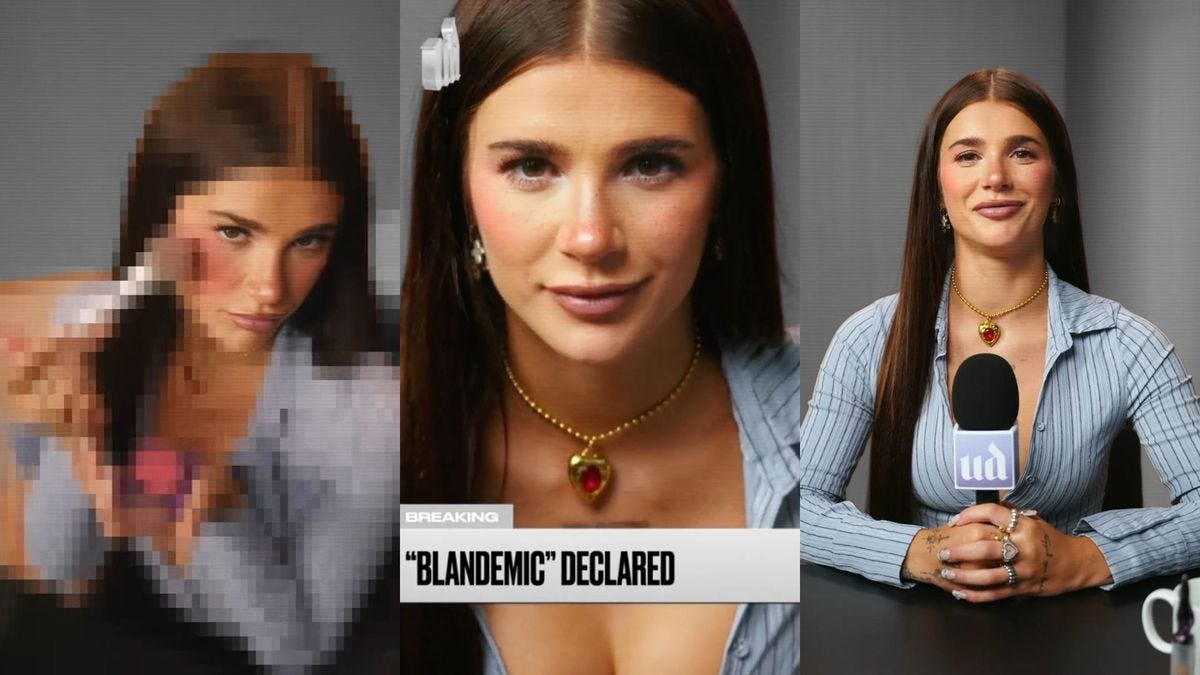
For the launch of their Raw Ambition campaign, Urban Decay built social media content around the tagline “UD likes it raw” and recruited popular OnlyFans creator Ari Kytsya as brand ambassador. The creative featured heavily pixellated spicy images, sexual references and the adult content creator talking about “uncensored makeup” that works “on stage, on camera and yes on mattresses”.
Urban Decay completely misread the room. First, who thought that marketing an adult-themed campaign on social media to its community of largely teens was a good idea? Somehow, they mistook “edgy internet humour” for porn aesthetics.
Instead of coming across as a rebellious, sex-positive, unfiltered brand, Raw Ambition triggered a massive backlash, with consumers, parents and women’s equality organisations stepping in to criticise the company for glamorising porn to teens.
What makes it even worse is that the campaign violated L’Oreal’s own Value Charter which says influencers shouldn’t have posted porn or any “content which is at odds with our values of respect, tolerance and inclusion”. Despite initially defending the campaign Urban Decay eventually backpedaled.
Then there’s Pick n Pay, one of South Africa’s main supermarket chains. In a move to inject some “cool” into their brand and raise awareness around their Smart Shopper loyalty programme in early 2025, they flew rapper Rick Ross to Cape Town, shot a glossy music-video-style ad flexing his signature “boss” lifestyle. Set to DJ Khaled’s “All I Do Is Win,” and featuring local comedian Schalk Bezuidenhout, the ad went viral, just not in the way they planned.
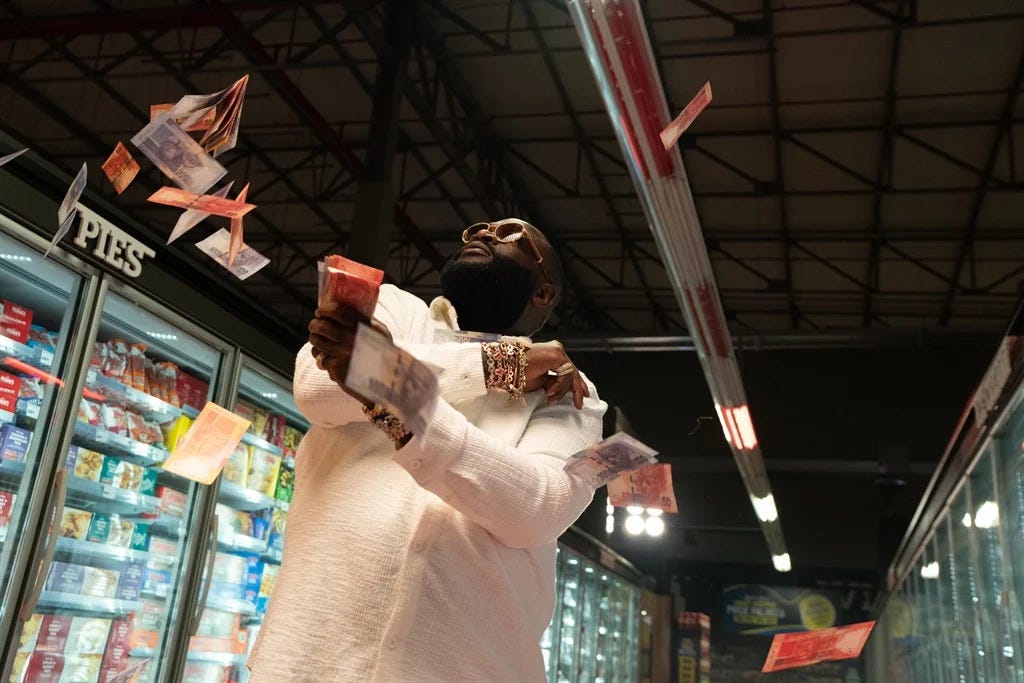
At a time when South African consumers were struggling through a cost-of-living crisis and economic uncertainty, the loyalty card had become a tool for survival, budgeting and stretching pennies. Repacking the card as an accessory for an uber-rich American rapper, and blasting “All I Do Is Win” while regular South Africans were struggling to afford basic eggs and milk, was more than out of touch. Consumers expected their supermarket to focus on value and community, not splashy, unattainable American affluence.
When a brand wants to use “street” culture to connect with an audience, there’s a very strict rule: you have to respect and empower the local gatekeepers. And if you know anything about music coming out of the continent, then you’ll also know that South Africa has one of the most vibrant and respected music scenes in the world (just look up Amapiano, Gqom and Kwaito). By overlooking the entire local music industry to hire a legacy American rapper with no authentic connection to South Africa or groceries, Pick n Pay signalled that they valued international star power over homegrown talent. Even though adding local comedian Schalk Bezuidenhout was an attempt to bridge the gap, it felt like a corporate copy-and-paste of a global playbook without any research into what South African consumers actually wanted.
As the campaign was launching, news was circulating that 32 Pick n Pay stores were facing closure across the country. Again, the public backlash was swift with people calling out the retailer for spending millions to hire Ross while it was laying off workers and shutting stores.
I’ve sat in rooms where the brief was wrong and nobody else said anything — either because they couldn’t see it or they didn’t have the insights to push back. There’s a better way to do this, and I know it because I’ve been on both sides.
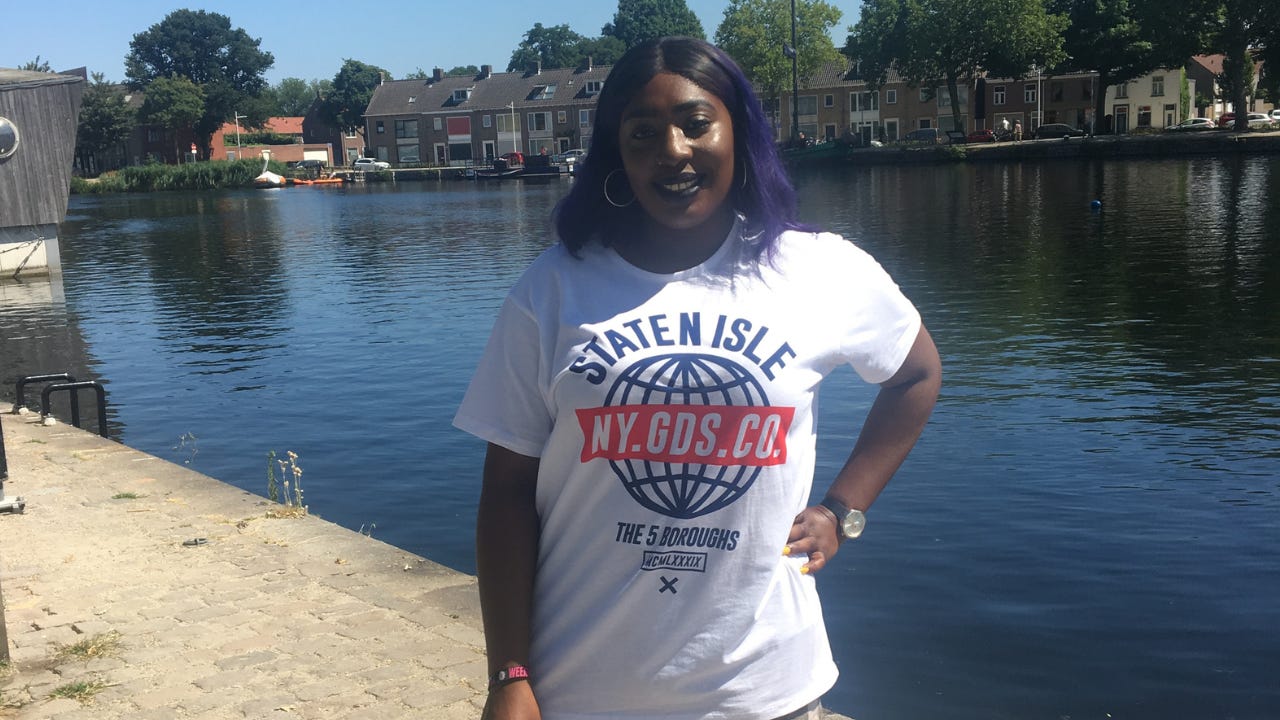
I’m Nonny, a creative strategist with over 16 years of experience working with some of the world’s most iconic brands including Airbnb, Nike, Unilever, Bentley and Booking.com. I’ve also spent years embedded in music culture as a journalist, MTV columnist and editor at UK entertainment platform, GRM Daily.
I’ve been on the inside when cultural movements were happening, and inside the brands trying to reach them.
That combination, strategist and cultural insider, is rare. Most brand people study culture from the outside but I’ve lived it from both sides. And it’s exactly the perspective that’s missing in marketing right now.
Here’s what I’ve noticed working across both worlds. The brands getting culture right aren’t necessarily the ones with bigger budgets or the name-brand agencies. They’re the ones asking better questions — which communities are we borrowing from and how are we contributing in a meaningful way? Who actually drives spending in this market, and are we talking to them? And a question almost nobody seems to be asking right now: when did we last try to make something for a 35-year-old?
The last one is a whole piece on its own. It’s coming.
According to NielsenIQ and World Data Lab, Millennials now account for nearly $3.5 to $4 trillion in annual global spending, roughly 22.5% of all spending globally. Gen Z, the generation every brand is chasing, controls $1.5 to $2 trillion.
I’m a millennial. My friends and I have reached an age where we have a stronger sense of who we are, what we like and have more money to spend on what we value, and yet most brands don’t seem to be talking to us. That’s a major oversight.
I started Cultured AF for marketers and people in the creative industries who want to understand how culture moves, why brands fumble it, and what they should do instead. Cultural intelligence you can actually use to see what others are missing and back up your instincts in the Monday morning meeting, or when you’re trying to secure that brand collab.
I keep it 100. No marketing jargon. No sitting on the fence. Just clear perspectives backed up by receipts.
If you’re looking for trend forecasts or a Gen Z whisperer then Cultured AF probably isn’t the spot for you. But what you will get is cultural analysis, insights from industry insiders, campaign breakdowns, and more often than not, a good yap about reality TV (because I’m obsessed, and that’s where culture lives).
Here’s what that looks like in practice: deep dives on which cultural movements are emerging, how they spread, and how they’re evolving in the real world—not the watered down version brands try to sell us. The hidden codes and behaviours defining communities, and what outsiders keep getting wrong. And what it looks like when brands try to enter cultural spaces — the wins, the major flops, and why it matters commercially.
You can also expect more analysis on millennials, like the kind of piece that asks why brands skipped an entire generation at the exact moment they gained the most spending clout they’ve ever had.
If you work in brand marketing or strategy and the culture briefs keep missing something you just can’t quite figure out: this is for you.
If you work in music, entertainment, or the creative industries and you’ve sat across from a brand that clearly doesn’t understand what they’re trying to tap into: this is for you.
If you’re curious about culture — why it moves, why brands keep fumbling it, and what it looks like when they actually get it right: this is for you.
Subscribe to get weekly insights on culture and how to be part of it without the cringe.
I love your honesty, it's refreshing! :)